

1.What Is Particle Board
2.Weight Capacity of Particle Board
3.Enhancing the Strength of Particle Board
4.Which is better quality, MDF or particle board?
5.What are the disadvantages of MDF?
6.Can you screw into MDF?
7.Practical Applications of Particle Board Shelving
8.How do Specialized Boltless Rivet Shelving Solutions Maximize Strength?
Worried your shelving will buckle under pressure? Choosing the wrong material can lead to sagging shelves, damaged goods, and even safety hazards in your workspace.
The weight capacity of particle board varies greatly, from 15 to 55 pounds per square foot, depending on its thickness, density, and support structure. For industrial shelving, this is significantly increased by a strong steel frame.
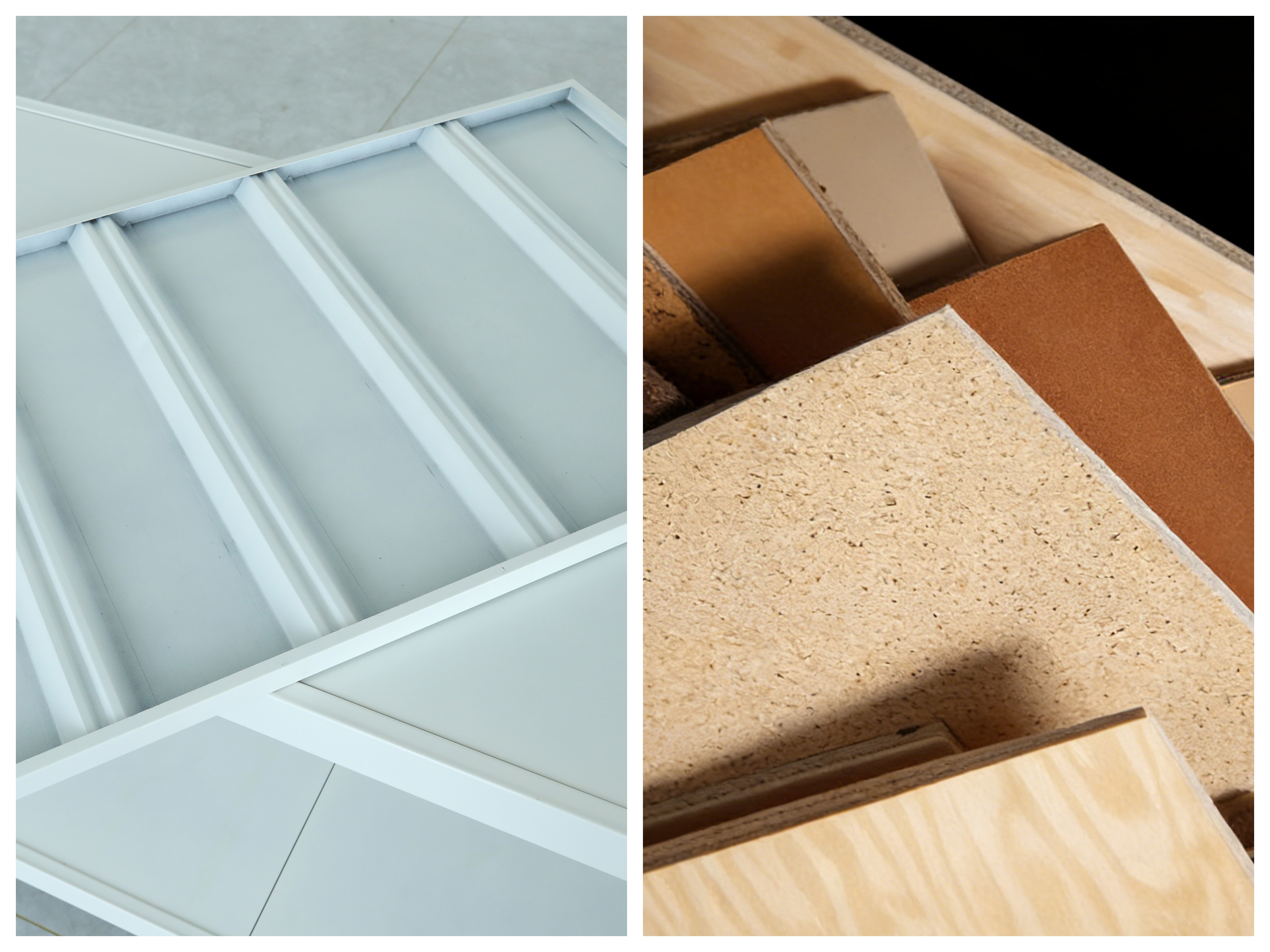
As someone who has spent over a decade in the shelving industry, I know the deck material is just as important as the steel frame. Particle board is often misunderstood. People see it as a cheap, weak option, but that’s not the whole story. When engineered correctly and used in the right system, it provides incredible value and performance. In this guide, we’ll use a logical “What, Why, How” approach to break down everything you need to know. We will look at its true capabilities, compare it to other materials, and show you how professional solutions, like ours at Fuding, harness its strengths.
1.What is Particle Board?
Confused by all the different wood products? Choosing the wrong one for your project can lead to failure and wasted materials, a common and frustrating problem.
Particle board is an engineered wood product made from wood chips, sawdust, and a synthetic resin binder. It is compressed and extruded, making it a dense and cost-effective alternative to solid wood.
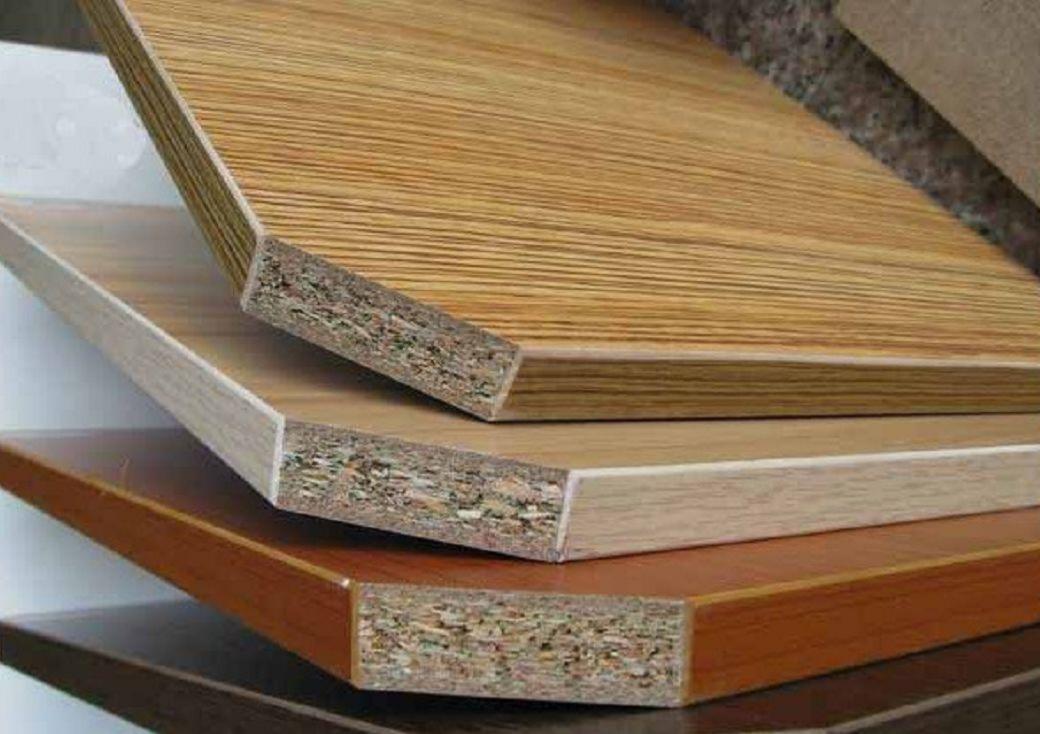
Let’s apply some simple reasoning to understand this material. It’s the same logic I use when developing products for our partners at Fuding.
-What: The Composition
Particle board, also known as chipboard, is essentially a recycled product. It takes the smaller particles of wood—like chips and sawdust—and gives them a new life. These particles are mixed with a resin and then put under intense heat and pressure to form a solid, uniform sheet.
-Why: The Importance of Engineering
Why do we use it? Because it’s a perfect example of smart engineering. It’s more affordable and has a more uniform density than solid wood, which can have knots and imperfections. This consistency is crucial for manufacturing. At Fuding, our ability to source high-quality particle board is essential for our production base in Thailand, a major hub for its manufacturing.
-How: Its Role in Shelving
How does this benefit you? This material provides a flat, stable, and strong surface for shelving decks when properly supported. Its lower cost allows us to invest more into the strength of the steel frame, creating a high-performance shelving unit at an excellent value. It’s the ideal material for the hand-loaded applications our boltless shelving systems are designed for.
2.How Much Weight Can Particle Board Shelving Hold?
Are you guessing the load limits of your shelves? This is a dangerous gamble that can lead to catastrophic failure, damaged inventory, and a significant safety risk.
The capacity depends entirely on its thickness and the support system. A standard 5/8-inch board might hold 20-30 lbs per foot, but when integrated into a steel frame, a single shelf can be rated for hundreds of pounds.
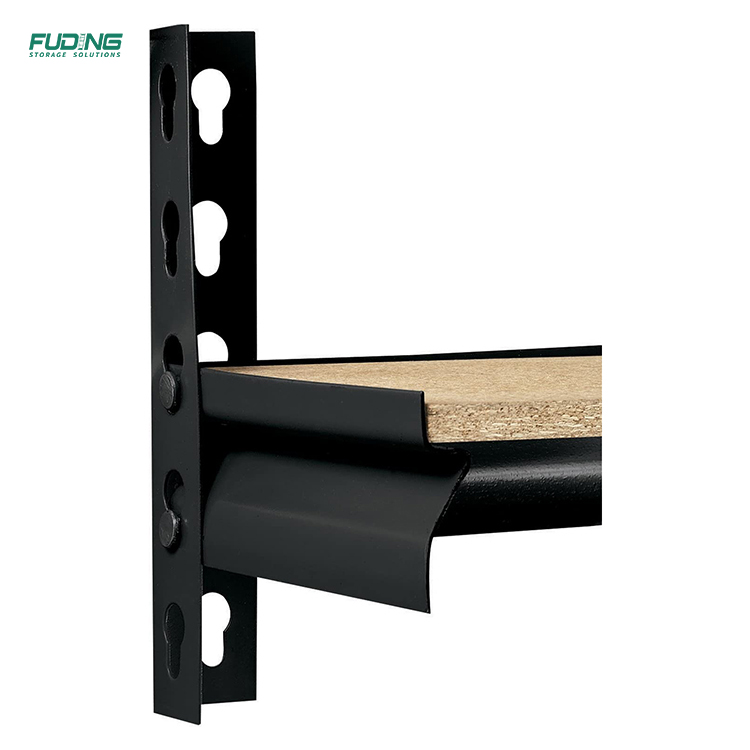
The question isn’t just about the board itself; it’s about the entire shelving system. A loose piece of particle board has very different properties than one that is part of an engineered unit. At Fuding, we don’t just sell shelves; we provide a complete, tested solution. The strength comes from the synergy between the steel beams and the particle board deck. The steel provides the primary support, preventing the board from bowing or sagging under load. This is why a shelf in one of our heavy-duty garage racks can hold significantly more weight than the board alone could ever support.
Factors Influencing Weight Capacity
| Factor | Description | Impact on Strength |
|---|---|---|
| Thickness | The board’s thickness, typically from 3/8″ to over 1″. | High: Thicker boards are significantly stronger and more rigid. |
| Density | The compression level during manufacturing. | High: Higher density boards are heavier and more resistant to impact and sagging. |
| Support Span | The distance between support beams under the board. | Critical: Shorter spans dramatically increase the effective weight capacity. |
| Steel Frame | The gauge and design of the surrounding steel structure. | Primary: The frame bears most of the load, preventing the board from flexing. |
3.How Can You Enhance the Strength of Particle Board?
Do you have shelves that are starting to sag? This is a clear sign of overloading and material fatigue, which will eventually lead to shelf failure.
You can enhance its strength by adding support beams, laminating the surface, or sealing the edges. The most effective method is using it within a professionally designed steel frame from the start.
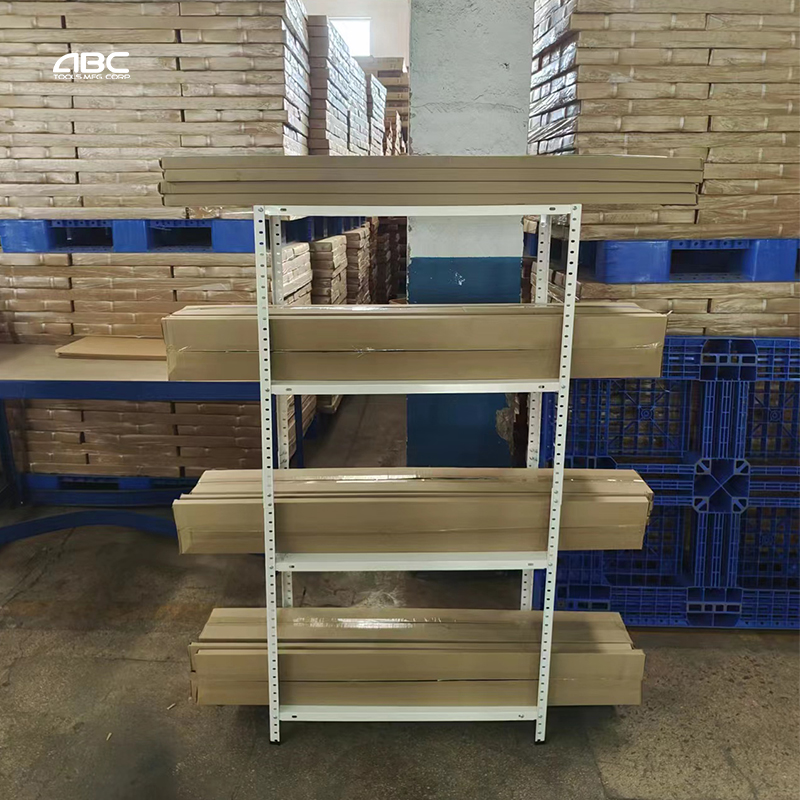
While you can make aftermarket improvements to a board, the best approach is to start with a system designed for strength. This is a core principle at Fuding. Our shelving units are designed holistically. The strength isn’t just an afterthought; it’s engineered from the beginning. For example, some of our heavy-duty units include steel center support beams that run under the particle board deck. This simple addition cuts the unsupported span in half, dramatically increasing the shelf’s ability to handle heavy, concentrated loads without sagging over time. Furthermore, the way the board fits snugly inside the stepped beams of the rivet rack adds rigidity to the entire structure. The board and frame work together. Trying to add strength later is far less effective than choosing a well-designed system in the first place.
4.Which is better quality, MDF or particle board?
Are you unsure which material to choose for your project? Selecting the wrong one can mean you either overspend for unnecessary features or end up with a product that fails.
Neither is “better”—they are different. MDF is denser, smoother, and better for painting. Particle board is lighter, more affordable, and excels as a structural shelving deck within a frame.
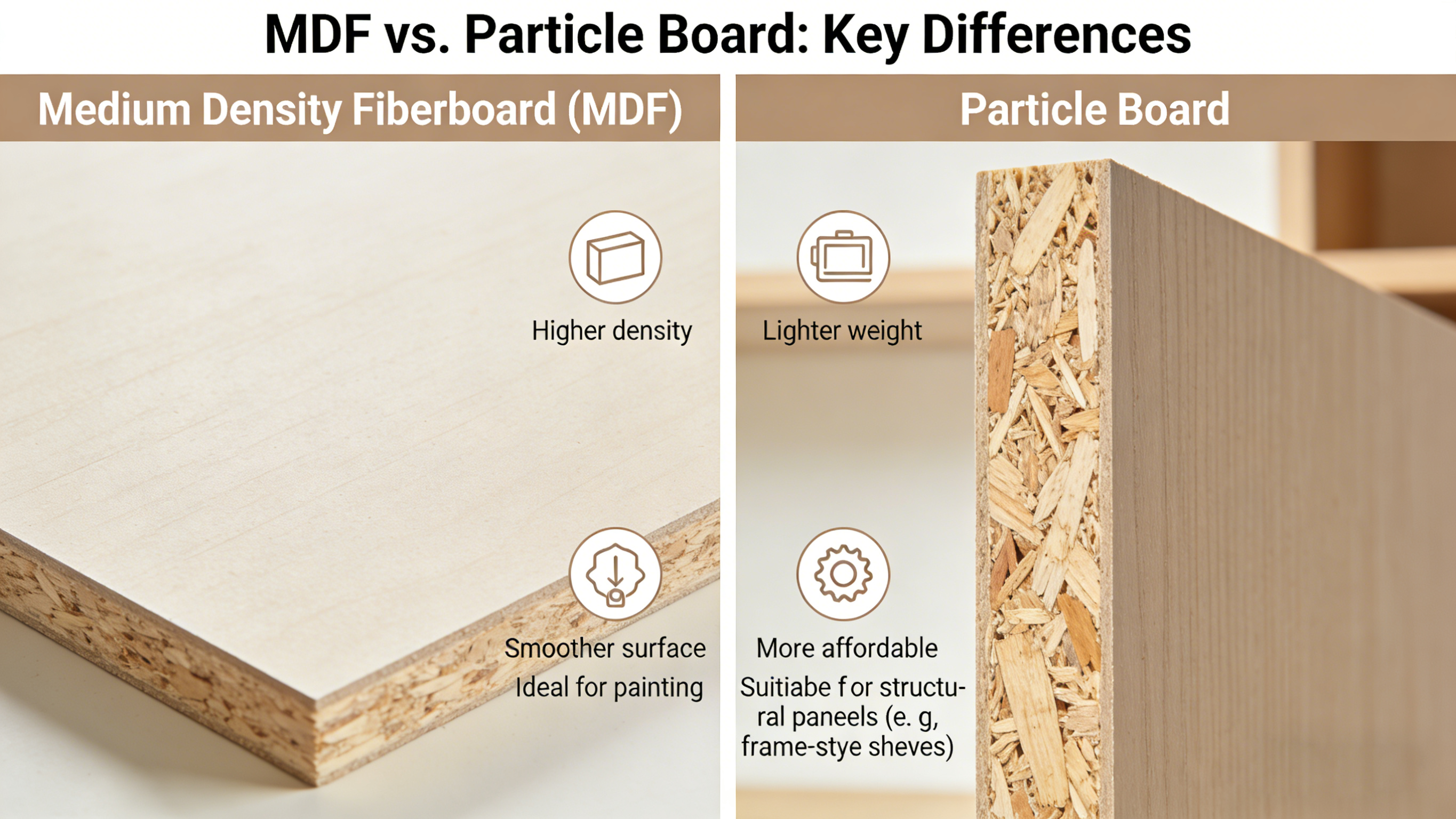
I’ve handled thousands of tons of both materials. The debate between MDF (Medium-Density Fiberboard) and particle board is about choosing the right tool for the job. MDF is made from very fine wood fibers, creating a super-smooth, dense, and heavy panel. This makes it perfect for applications where you need a flawless paint finish, like cabinet doors or decorative molding. However, for shelving decks, its high density means it’s heavy and more prone to sagging over long spans if not heavily supported. Particle board, being lighter and more rigid for its weight, offers a better strength-to-cost ratio specifically for this application. It provides the necessary flat surface and structural integrity without adding unnecessary weight or expense. In our shelving, particle board is the clear winner for performance and value.
5.What are the disadvantages of MDF?
Thinking MDF is the superior choice for everything? Its weaknesses, particularly with moisture and weight, can lead to project failure if you use it in the wrong application.
The main disadvantages of MDF are its poor resistance to moisture, which causes it to swell and break down, and its high weight, which makes it difficult to handle and prone to sagging.
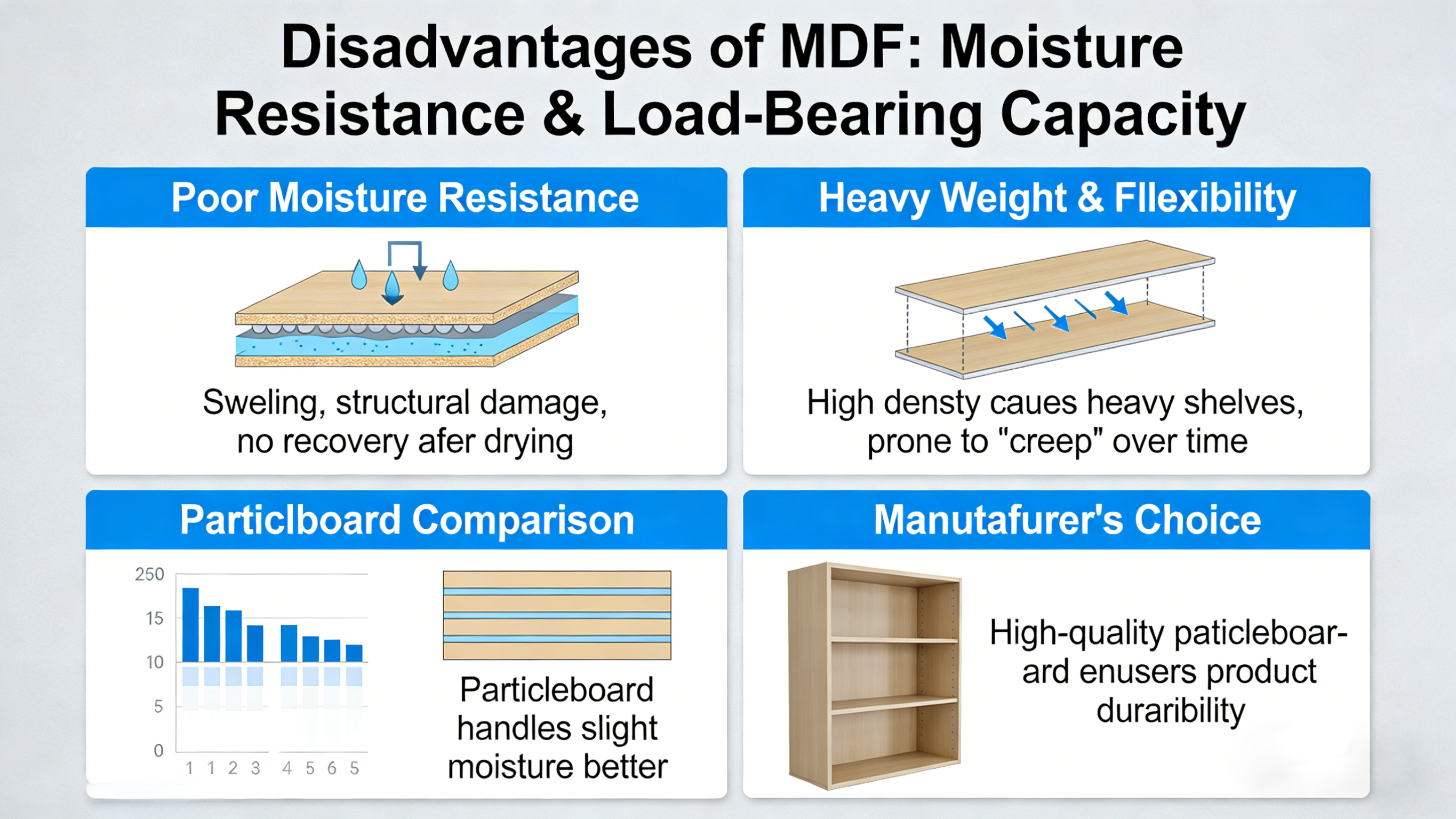
As a manufacturer, I have to be realistic about material limitations. MDF has two major weaknesses that make it less suitable for general-purpose shelving. First is moisture. A small leak or even high humidity can cause MDF to swell up like a sponge and lose all its structural integrity. It does not recover when it dries. Particle board is also susceptible to moisture, but it tends to handle minor exposure better. Second is its sheer weight and flexibility. Because it’s so dense, a large MDF shelf is very heavy, yet it’s more flexible than particle board of a similar thickness. This combination makes it more likely to sag under its own weight over time, a phenomenon known as “creep.” For these reasons, we choose high-quality particle board for our shelving decks to ensure long-term durability and reliability for our partners.
6.Can you screw into MDF?
Planning to use screws with MDF? If you don’t do it correctly, you’ll end up with a weak joint, a split board, and a project that falls apart easily.
Yes, but with caution. You must drill a pilot hole first. Screwing directly into MDF will split the material, and the fine fibers provide a weaker grip for screw threads compared to particle board or solid wood.
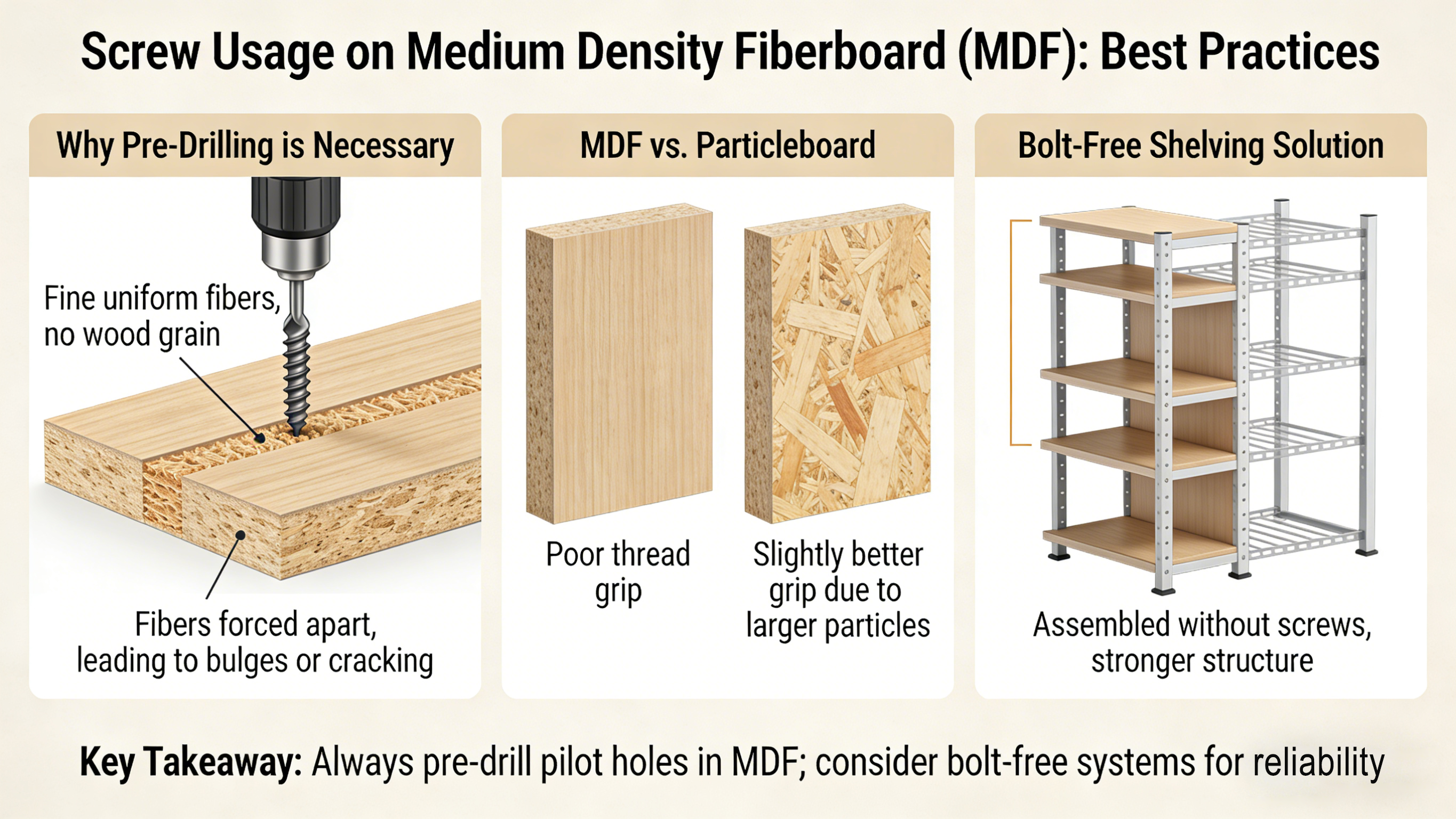
This is a very practical question that highlights a key difference. The fine, uniform fiber structure of MDF doesn’t have the grain and larger particles that give screws a strong bite. When you drive a screw into MDF without a pilot hole, you’re forcing the fibers apart, which often results in a visible bulge or a complete split. Even with a pilot hole, the holding power is limited. This is why furniture made from MDF often uses special hardware like cam-lock fasteners. Particle board, with its larger chips, offers a slightly better, though not perfect, grip for standard wood screws. However, the best solution is to avoid relying on screws at all. Our boltless shelving systems are designed so that no screws are needed for assembly, completely eliminating this problem and creating a stronger, more reliable structure.
7.What are the Practical Applications of Particle Board Shelving?
Unsure where particle board shelving fits in your business? Misunderstanding its applications means you could be missing out on a versatile and cost-effective storage solution.
It is ideal for most hand-loaded storage applications, including retail stockrooms, e-commerce picking areas, office archives, and garage workshops, offering a strong and economical solution.
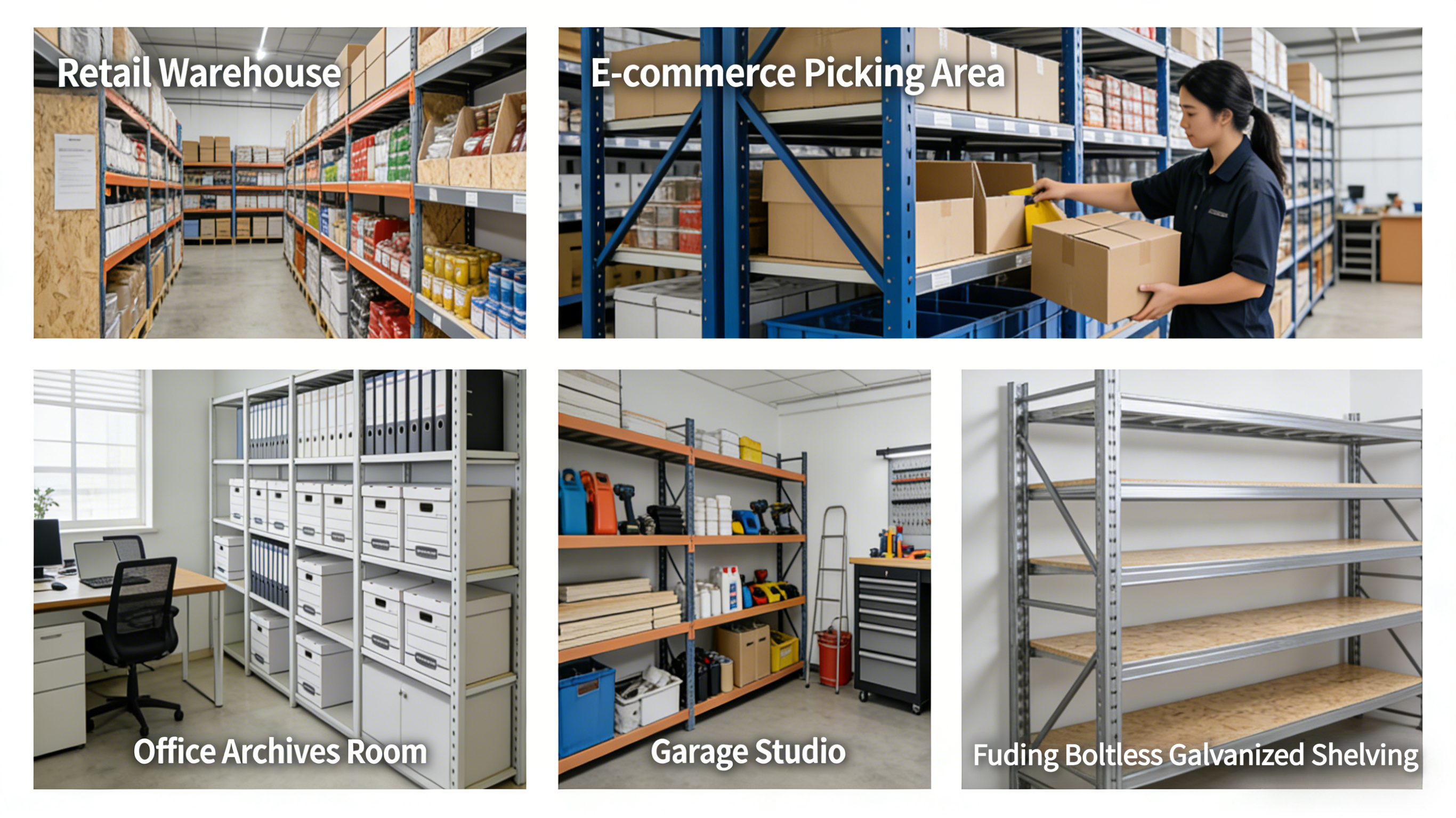
The versatility of particle board shelving is its greatest strength. The shelves of the boltless rivet shelving units manufactured by our company, Fuding, are primarily constructed from particleboard; these can be veneered and edge-banded according to customer requirements. This type of shelving offers a load-bearing capacity of 800 to 1,000 pounds per tier. This makes it an ideal choice for industrial or commercial storage applications where the safe and reliable storage of heavy-duty items is required. Because our boltless rivet shelving systems are so easy to assemble and adjust, they can be deployed in a huge range of environments. I’ve seen our partners use the same basic shelving system to solve completely different problems. The open design allows for quick visual inventory checks and access from all sides, which is perfect for fast-moving goods. Its strength and durability make it suitable for storing heavy tools or boxes of documents. It’s a true workhorse.
Common Application Scenarios
| Environment | Use Case | Why It Works Well |
|---|---|---|
| Retail Stockroom | Storing backstock of apparel, electronics, goods | Easily adjustable for seasonal inventory changes. Cost-effective. |
| Warehouse | E-commerce picking stations, small parts storage | Open access for fast picking. Strong enough for dense storage. |
| Office/Archive | Storing banker’s boxes, office supplies | Maximizes vertical space for long-term storage at a low cost. |
| Garage/Workshop | Organizing tools, paint cans, heavy equipment | High weight capacity and durability for tough environments. |
8.How do Specialized Boltless Rivet Shelving Solutions Maximize Strength?
Are you still using traditional, bolted shelving? You’re wasting valuable time on assembly and losing the flexibility needed to adapt to changing inventory needs.
Specialized boltless systems use an interlocking design where the weight on the shelf actually tightens the rivet-and-keyhole connection, making the entire structure stronger and more rigid as you load it.
For heavy-duty applications, such as industrial or commercial shelving, boltless rivet shelving with particle board shelves is a robust solution.
- Load-Bearing Capacity: The particle board shelves used in boltless rivet shelving systems produced by our company can be veneered and edge-sealed according to customer needs. These shelves boast an impressive load-bearing capacity of 800-1000 pounds per layer, making them ideal for heavy storage needs. This high load-bearing capacity ensures that even the heaviest items can be stored safely without risk of shelf failure.
- Customization Options: The ability to customize the veneer and edge sealing allows for enhanced durability and aesthetic appeal, tailored to specific user requirements. Customers can choose from a variety of finishes to match their storage environment, ensuring both functionality and style.

This is where smart design makes all the difference. The genius of the boltless rivet system is its simplicity and inherent strength. When we manufacture the beams, the rivets are precisely placed by our automated lines. When you assemble it, these rivets slide into the keyhole slots on the posts. As you load the shelf with weight, gravity pulls down on the beam, which pulls the rivet tighter into the tapered part of the keyhole. The heavier the load, the more secure the connection becomes. This design, combined with a properly sized particle board deck seated within the steel frame, creates a unified structure that is far stronger than the sum of its parts. It’s a system I’ve trusted for years, providing our partners with a storage solution that is not only strong and reliable but also incredibly efficient to deploy.
Particle board is a valuable, cost-effective material when used correctly. Combined with a well-designed steel frame, it creates a high-performance shelving solution for a huge variety of business needs.
Post time: Apr-01-2026